


Why You Feel “Heavy and Tired” After Certain Meals

Introduction
Have you ever finished a meal and instead of feeling nourished, you carry this heavy feeling in your stomach?
Then, your energy suddenly drops, and all around, you just feel sluggish, desperate to lie down, or wait it out?
If this feels familiar, I want you to know your body is just sending signals to stop, breathe, and be mindful of what you eat.
And once you understand why, you can begin to support it in a much gentler way.
Why Certain Meals Make You Feel Heavy and Tired
Before moving on, ask yourself:
• Do you often feel sleepy after meals?
• Do you feel bloated or overly full?
If yes, your body is already telling you something.
From both research and my experience working with women, this feeling usually comes from a few overlapping factors.
1. Your Digestive System Feels Overwhelmed

Large or rich meals require more energy to break down.
When you eat foods that are:
High in fat
Heavily processed
Eaten in large portions
Your digestive system has to work harder.
This can lead to:
Bloating
Sluggish digestion
"Stuck” feeling in your stomach
Overeating or rich meals can place noticeable strain on digestion and metabolism, often leading to discomfort and fatigue.
Your body shifts energy toward digestion which is why you feel tired afterward.
2. Blood Sugar Rises...Then Drops

Meals high in sugar or refined carbohydrates can create a quick spike in blood sugar. You feel energetic but not too long!
Then, your body releases insulin to bring it down and make you feel off.
A sudden drop in energy that can feel like:
Sleepiness
Brain fog
Heaviness in the body
This cycle is one of the most common reasons people feel tired after eating.
3. Too Many Heavy Foods, Not Enough Balance

When meals are centered around:
Fried foods
fatty meats
Sugary drinks or desserts
They often lack:
Fiber
Hydration
Gentle, easy-to-digest components
In contrast, traditional Japanese-style meals tend to balance:
Warm soups
Vegetables
Light proteins
Fermented foods
This balance naturally supports digestion and steady energy.
4. Eating Too Quickly or Without Awareness
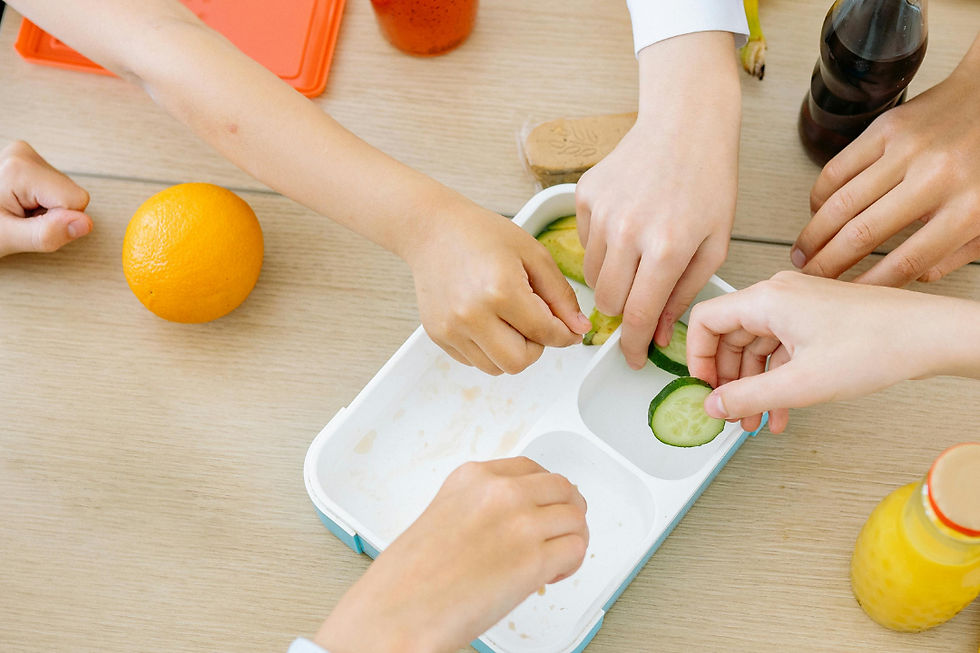
Sometimes, it’s not just what you eat but how you eat.
When meals are rushed:
Your body doesn’t fully register fullness.
Digestion begins under stress.
You’re more likely to overeat.
In Japanese eating culture, slower, structured meals help support digestion and prevent that overly full feeling.
🌸 Ready to Feel Light, Energized, and at Ease
After Eating?
Understanding this topic is one thing but consistently applying it is another world in itself.
If you often find yourself feeling heavy after meals then trying to “fix it” by eating less, skipping meals, or starting over the next day, then you’re not alone.
This pattern of feeling off → trying to compensate → feeling off again
is something I gently guide my clients through.
In my coaching, I help you:
• Understand why certain meals leave you feeling heavy and tired.
• Build simple, balanced meals (like ichiju-sansai) that support steady energy.
• Know how to respond after heavy meals without restriction or guilt.
• Feel lighter, calmer, and more in tune with your body after eating.
Because true health isn’t about avoiding every heavy meal, it’s about knowing how to come back to balance in a way that feels natural.
If this resonates with you, I invite you to a gentle, no-pressure discovery call.
We’ll talk about what’s happening in your eating habits and what small shifts could support you.
MIWA’s Recommendations
- My e-cookbooks available with vegan, breakfast, and meal prep versions.
I hope this will be helpful and enjoyable in your kitchen.
- MIWA's Tableware is NOW live!
Enhance Your Culinary Experience with MIWA's Tableware!
Miwa's Favorite Picks: Perfect for starting your Japanese food journey at home.
Ideal for Celebrations and Gifts: Beautiful designs that make any occasion special.
Enlighten Your Table: Add elegance and tradition to your dining experience.
2026/4/30 MIWA

This really resonated with me—especially the point about blood sugar spikes and crashes. I used to think that post-meal fatigue was just something I had to accept, but once I started paying attention to how I was eating (not just what), things changed. The reminder to slow down and eat with awareness is so underrated. Thank you for framing this with compassion instead of restriction—it's refreshing to read something that doesn't shame you for enjoying a heavier meal now and then. The balance piece is key. 🙏
Players can enjoy fast-paced battles and hilarious physics as Ragdoll Hit challenges them to defeat opponents with powerful attacks, careful timing, and creative movements across different levels.